Why Japanese Surgical Stainless Steel Tattoo Needles Are the Gold Standard for Piercing and Tattooing

Table of Contents
A Legacy Forged in Precision
For twenty-five years, our family business has lived and breathed precision. Before XACTbodyart entered tattooing and piercing, we built our reputation supplying prescription-grade acupuncture needles, where accuracy defines trust. Now we bring that same standard to body art with Japanese surgical stainless steel tattoo needles made for professionals who expect medical-level consistency in every stroke and every piercing.
That heritage shaped everything we do. The systems that ensured medical-grade performance in acupuncture now guide our work in tattooing and piercing. We didn’t lower our standards for this industry. We raised them.
Every XACTneedle and XACTpierce needle begins with Japanese 304 medical-grade stainless steel, the same alloy trusted in surgical instruments and medical tubing. It’s not the easiest material to work with, but it’s the only one that meets our expectations.
The Problem With “Budget Steel”
Cheap stainless is the quiet compromise of the industry. It’s easier to source, easier to machine, and easier to regret. High sulfur and carbon content make it brittle, inconsistent, and quick to dull. The shine doesn’t last, especially after sterilization or heavy use.
You feel it right away: drag through the skin, uneven punctures, irregular flow. The kind of needle that turns skill into struggle. What looks affordable on paper becomes expensive in lost precision, wasted effort, and client discomfort.
Budget steel wasn’t made for artists. It was made for margins.
The Japanese Surgical Stainless Steel Tattoo Needles Difference
Japanese metallurgy is built on obsession. Every stage, from smelting to rolling to polishing, is done under tighter chemical and mechanical control than mass-market steel could manage. Impurities like sulfur and phosphorus are removed at the molecular level, creating a cleaner, denser metal with a fine, uniform grain.
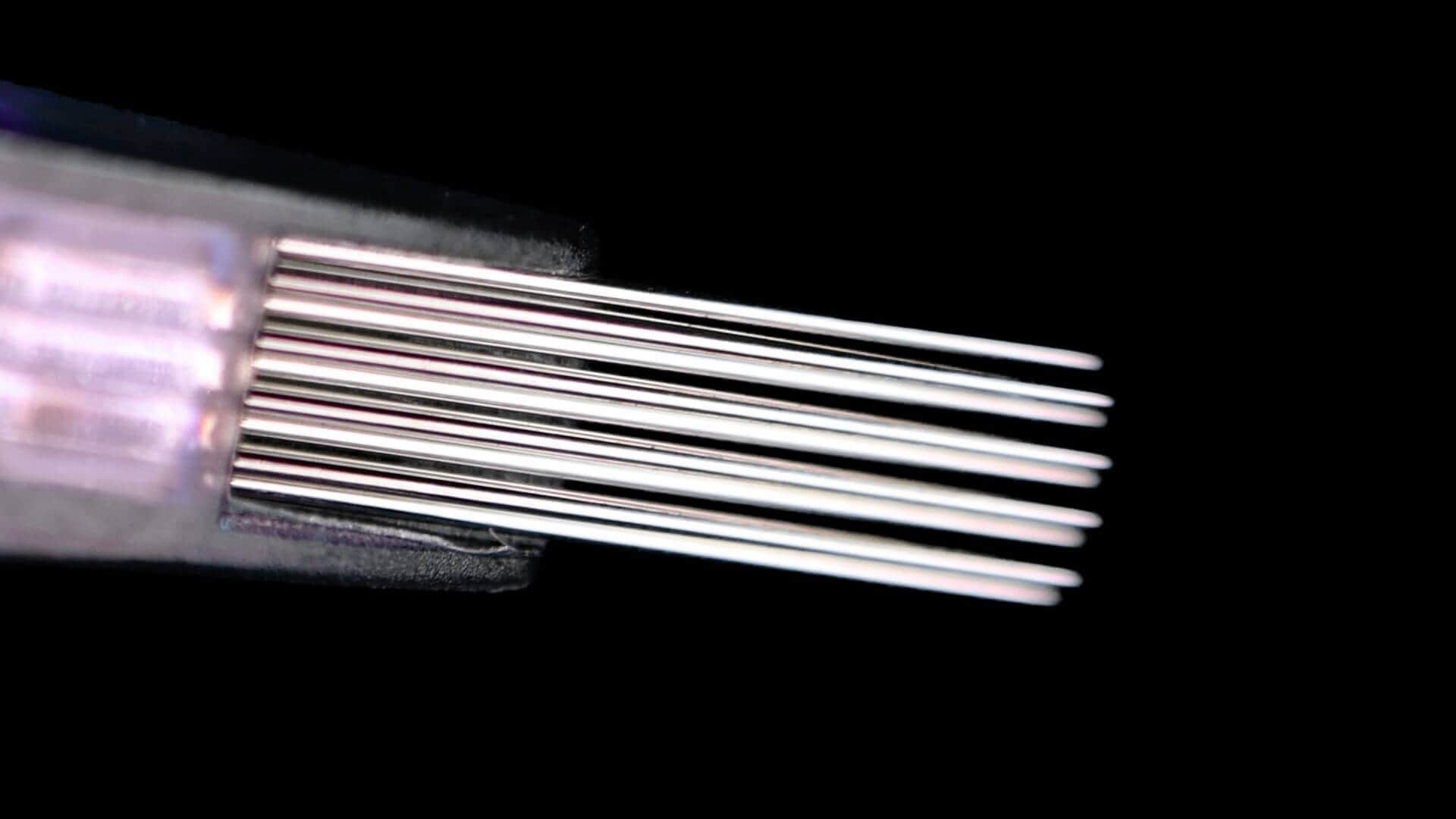
That structure matters. It allows the needle to hold a sharper bevel, keep its edge longer, and move through skin with almost no resistance. When polished and finished to our specifications, Japanese 304 steel delivers predictable, smooth, precise performance every time.
Artists feel the difference immediately. Clients feel it in comfort and healing.
Corrosion Resistance You Can Trust
Cheaper alloys often rust or pit after sterilization. Japanese steel doesn’t. Its balanced chromium-nickel composition protects itself, preserving sharpness and hygiene through every cycle. That means longer-lasting performance, safer procedures, and better control in your hands.
Unlike generic stainless options, our Japanese surgical stainless steel tattoo needles maintain edge sharpness and corrosion resistance through every sterilization cycle
Why We Use 304 Medical-Grade Stainless Steel
At XACTbodyart, we use Japanese 304 medical-grade stainless steel for one reason: reliability. It resists oxidation, leaching, and deformation. It tolerates repeated sterilization without compromise.
Generic stainless bends to cost. 304 medical-grade stainless holds its standard. It’s clean, stable, and built for precision. When your work lives under the skin, nothing else makes sense.
| Factor | Japanese 304 medical-grade surgical stainless | “Budget” stainless (generic) |
|---|---|---|
| Purity/impurities | Low sulfur/phosphorus; tight chemistry | Higher impurity tolerance; variable lots |
| Grain structure | Fine, uniform (predictable bevels) | Inconsistent (edge wear, drag) |
| Corrosion resistance | Strong; stable after sterilization | Prone to pitting/rust over cycles |
| Edge retention | Holds bevel sharpness longer | Dulls faster under load |
| Biocompatibility | Medical-grade, passivated finishes | Often unpassivated; inconsistent finishes |
| Consistency | Lot-to-lot repeatability | Batch variability common |
| Results | Fewer failures; fewer redraws | Cheap upfront, costly in rework |
The XACT Standard
We built our name in acupuncture by demanding performance that met medical expectations. Now we bring that same discipline to tattooing and piercing. Every needle is ground and polished under microscopic inspection for a glide that has to be felt to be believed.
No shortcuts. No mixed alloys. No excuses.
Experience the Difference Yourself
There’s only one way to understand the difference of Japanese surgical stainless steel tattoo needles: use it.
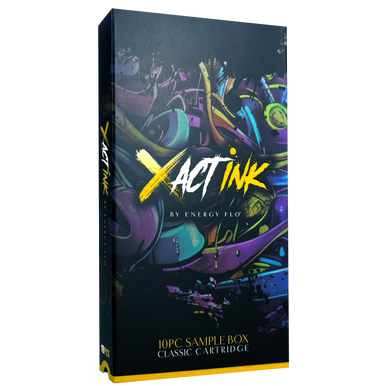
XACTink™ Classic Sample Pack - Legacy Edition Box of 10
$0.00
XACTink™ Legacy Edition Sample Pack – Classic Round Liners & Curved Magnums Discover the cartridges that set the standard with the Legacy Edition Sample Pack,… read more
Out of Stock
FAQs
What makes Japanese surgical stainless steel better for tattoo needles?
Japanese steel is refined under strict quality controls, producing fewer impurities and a tighter grain. This means sharper bevels, smoother movement through skin, and greater consistency for both tattooing and piercing.
What does “304 medical-grade stainless steel” mean?
It’s a high-purity alloy of iron, chromium, and nickel designed for strength, corrosion resistance, and safety. Medical-grade 304 meets the same material standards used in surgical tools and instruments.
Is 304 stainless steel safe for skin contact?
Yes. When properly passivated and polished, 304 stainless steel is biocompatible and safe for direct contact with skin and tissue, which is why it’s used in many medical instruments.
Why not use cheaper stainless steel?
Lower-cost alloys contain more impurities and corrode faster. They dull quickly, pit after sterilization, and lack the consistency required for precise tattooing and piercing.
What’s the purpose of the silicone coating?
A Medical Grade US Silicone coating reduces friction so needles glide smoothly through skin. It minimizes trauma and discomfort, helping artists maintain precise control.
Disclaimer
This content is provided for educational and informational purposes only and is not intended to represent medical advice. Tattoo and piercing needles are not classified as medical devices by the U.S. Food and Drug Administration (FDA). Regulations and requirements for body art equipment may vary by jurisdiction and are subject to change. Always follow all applicable local, state, and federal health and safety regulations when performing tattoo or piercing procedures.